

Maintaining good vision health is essential for overall well-being and quality of life. Many individuals experience vision problems at some point, whether due to age, genetics, or lifestyle factors. Understanding these common issues and exploring available correction options is crucial. If you are facing vision challenges, a vision correction consultation can provide the guidance and support you need to regain clarity and confidence in your sight.
Understanding Vision Problems: Common Issues and Symptoms
Vision problems can manifest in various ways, and recognizing the symptoms is the first step toward seeking help. Common issues include:
- Myopia (Nearsightedness): Difficulty seeing distant objects clearly, often causing squinting or eye strain.
- Hyperopia (Farsightedness): Trouble focusing on close objects, which may lead to headaches or eye discomfort.
- Astigmatism: Blurred vision at all distances due to an irregularly shaped cornea.
- Presbyopia: Age-related difficulty in focusing on close objects, commonly experienced after the age of 40.
If you notice any of these symptoms, it may be time to consult an eye care professional. Early intervention can prevent further deterioration of your vision and enhance your quality of life.
Types of Vision Correction Options
Once a vision problem is diagnosed, several correction options may be recommended. Each option has its advantages, and the choice often depends on individual preferences, lifestyle, and the specific vision issue being addressed.
Glasses
Eyeglasses are one of the most common and effective methods of correcting vision. They are available in various styles, materials, and lenses tailored to individual needs. Glasses can correct a range of vision problems and are easy to wear and replace.
Contact Lenses
Contact lenses offer a more discreet alternative to glasses. They sit directly on the eye and can provide a wider field of vision. There are different types of contact lenses available, including daily wear, extended wear, and specialty lenses designed for specific conditions. During a vision correction consultation, an eye care professional can help determine the best type for you.
Surgery
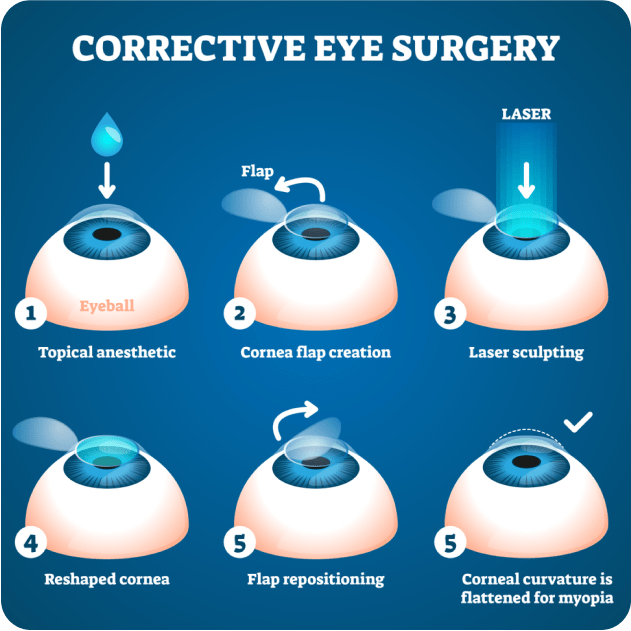
Surgical options, such as LASIK or PRK, provide a more permanent solution for vision correction. These procedures reshape the cornea to improve focus and reduce reliance on glasses or contact lenses. Not everyone is a candidate for surgery, which is why a thorough evaluation during a vision correction consultation is essential to discuss the risks and benefits.
What to Expect During a Vision Correction Consultation
Scheduling a consultation for vision correction is a proactive step toward improving your eyesight. During the consultation, you can expect a comprehensive eye examination, which may include:
- Vision Testing: Assessing how well you see at different distances.
- Eye Health Evaluation: Checking for any underlying health issues affecting your vision.
- Discussion of Lifestyle: Understanding your daily activities and how they influence your vision needs.
- Personalized Recommendations: Based on your examination results, your eye care professional will discuss suitable vision correction options tailored to your circumstances.
This personalized approach ensures that you receive the most effective treatment for your specific vision challenges. The goal of the consultation is not only to correct your vision but also to enhance your overall quality of life.
Conclusion
If you are experiencing vision problems, do not hesitate to seek professional advice. A vision correction consultation can provide you with essential insights and solutions to meet your specific needs. Whether you opt for glasses, contact lenses, or surgery, the right guidance will help you navigate the options available to you. Remember, prioritizing your vision health is vital for enjoying life's experiences fully. Take the first step towards clearer vision and consider scheduling a consultation for vision correction.
For more information on surgical options, visit this resource to learn about potential procedures that could benefit your vision.