

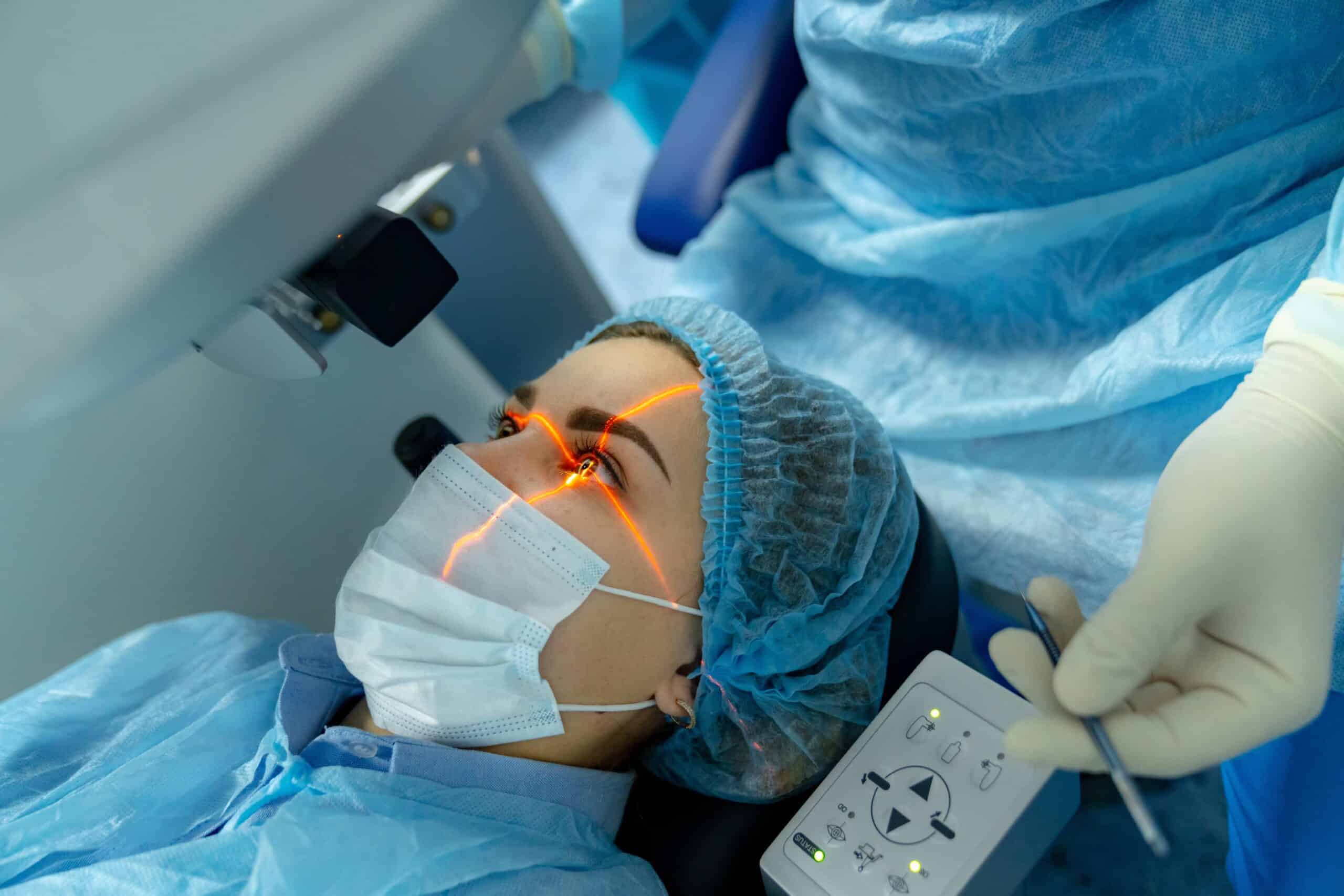
Cataracts are a common eye condition that affects millions of individuals worldwide, often leading to impaired vision and a reduced quality of life. Understanding cataracts, their causes, and symptoms is the first step toward seeking effective treatment. For those considering surgical options, gaining insights into the surgery process and post-operative care can be invaluable. This article aims to provide comprehensive cataract surgery insights, ensuring that readers are well-informed about what to expect from diagnosis through recovery.
Understanding Cataracts: Causes and Symptoms
Cataracts occur when the natural lens of the eye becomes cloudy, obstructing light from entering and resulting in blurred or distorted vision. Several factors contribute to the development of cataracts, including aging, genetic predisposition, prolonged exposure to UV light, and certain medical conditions such as diabetes. Symptoms of cataracts can vary but commonly include:
- Blurry or cloudy vision
- Difficulty seeing at night
- Increased sensitivity to glare
- Seeing halos around lights
- Frequent changes in glasses or contact lens prescriptions
Recognizing these symptoms early can facilitate timely consultation with an eye care professional. Understanding the underlying causes of cataracts helps patients make informed decisions about their treatment options.
The Cataract Surgery Process: What to Expect
Cataract surgery is a common and generally safe procedure aimed at restoring clear vision. The process begins with a comprehensive eye examination where the ophthalmologist assesses the severity of the cataracts and discusses the best course of action. Patients are often advised to avoid blood thinners and certain medications prior to surgery, ensuring a smooth procedure.
On the day of the surgery, patients typically arrive at the surgical center where they will receive anesthesia, which may be local or topical, to minimize discomfort. The surgery itself involves removing the cloudy lens and replacing it with an artificial intraocular lens (IOL). This outpatient procedure usually lasts less than an hour, and many patients experience immediate improvements in their vision.
Patient experiences vary, but most report a sense of relief and excitement at the prospect of clearer vision. Medical professionals emphasize the importance of following pre- and post-operative instructions closely to ensure a smooth recovery process. Gaining these cataract surgery insights can empower patients to feel more prepared and confident as they approach their surgery.
Post-Operative Care and Recovery Tips
After cataract surgery, patients are typically monitored for a short period before being discharged. It is essential to have a reliable caregiver to assist during the initial recovery phase. Post-operative care is crucial to achieving the best possible outcomes. Here are some key recovery tips:
- Follow-Up Appointments: Attend all scheduled follow-up visits to monitor healing and address any concerns.
- Medications: Use prescribed eye drops as directed to prevent infection and reduce inflammation.
- Avoid Strain: Refrain from heavy lifting or strenuous activities for a few weeks.
- Protect Your Eyes: Wear sunglasses outdoors to shield your eyes from bright light and UV rays.
- Observe for Changes: Keep an eye out for any sudden changes in vision or discomfort, and contact your doctor if needed.
Recovery times can vary, but many individuals notice significant improvements within a few days. It is essential to adhere to the care guidelines provided by the eye care team to ensure a smooth and successful recovery.
Cataract surgery can dramatically enhance one's quality of life by restoring clear vision. By exploring comprehensive cataract surgery insights and understanding the entire process from diagnosis to recovery, patients can make informed decisions and approach their surgical experience with confidence. For more detailed information regarding cataract surgery, consider visiting this resource, which offers additional insights and guidance for prospective patients.