

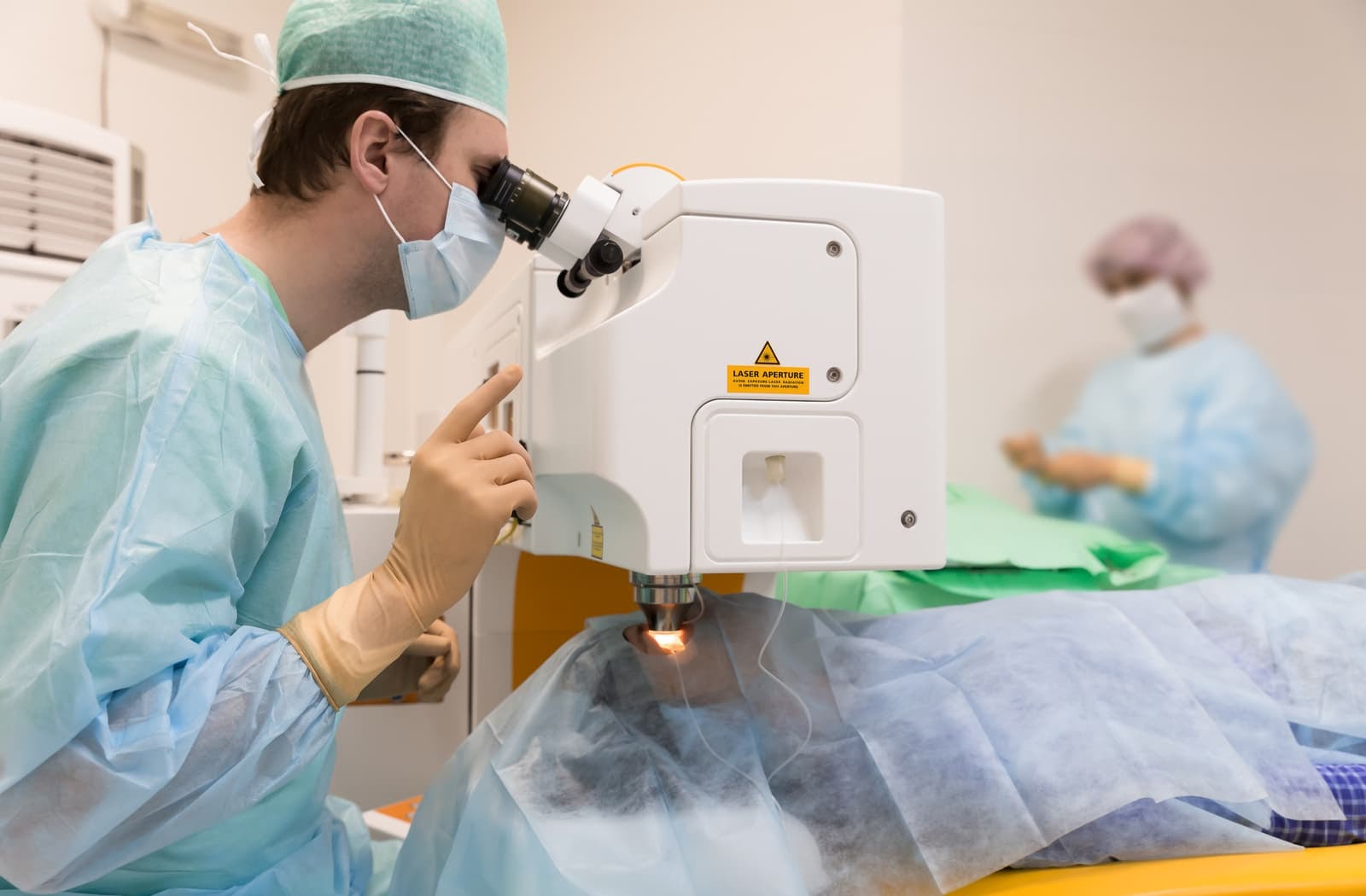
Cataract surgery is a common and effective procedure aimed at restoring vision for those affected by cataracts, a condition characterized by clouding of the eye's natural lens. As with any surgical intervention, the quality and safety of cataract surgery are paramount. This is where established cataract surgery standards come into play, guiding healthcare providers in delivering optimal care. Understanding these standards can help patients make informed choices about their treatment, enhancing their overall experience and outcomes.
Overview of Cataract Surgery Standards
Cataract surgery standards encompass a set of guidelines and protocols designed to ensure that patients receive safe, effective, and high-quality care throughout the surgical process. These standards address various aspects of the procedure, including preoperative assessments, surgical techniques, postoperative care, and patient education. By adhering to these established practices, healthcare facilities and surgeons can minimize risks, improve surgical outcomes, and enhance patient satisfaction.
Key Guidelines from Health Organizations
Reputable health organizations, such as the American Academy of Ophthalmology and the World Health Organization, provide comprehensive guidelines that form the basis of cataract surgery standards. These guidelines cover critical areas such as:
- Preoperative Evaluation: Patients should undergo a thorough eye examination and assessment of overall health before surgery. This evaluation helps identify any potential risks and ensures that the surgical plan is tailored to the individual’s needs.
- Surgical Techniques: The standards emphasize the use of evidence-based surgical methods, including phacoemulsification and the implantation of intraocular lenses. Surgeons are encouraged to stay informed about best practices and advancements in techniques to enhance patient outcomes.
- Postoperative Care: Proper follow-up care is essential for monitoring recovery and addressing any complications promptly. Patients should receive clear instructions regarding medication use, activity restrictions, and signs of complications that warrant immediate attention.
By following these guidelines, healthcare providers can significantly improve the safety and effectiveness of cataract surgery, ensuring that patients receive care that meets or exceeds established standards.
Patient Safety and Quality Measures in Cataract Surgery
Patient safety is a fundamental component of cataract surgery standards. Measures are in place to minimize the risk of complications and enhance the overall quality of care. Some of the key safety measures include:
- Infection Control: Strict protocols for sterilization and aseptic techniques are crucial in preventing infections during and after surgery. Healthcare facilities must adhere to these protocols to safeguard patient health.
- Informed Consent: Patients should receive comprehensive information about the surgery, including potential risks and benefits, allowing them to make informed decisions and provide informed consent before proceeding.
- Quality Assurance Programs: Many healthcare facilities implement quality assurance measures, such as regular audits and performance evaluations, to maintain high standards and continuously improve care delivery.
These safety measures not only protect patients but also enhance the overall effectiveness of cataract surgery by fostering an environment of trust and transparency between patients and healthcare providers.
Practical Tips for Patients
For patients considering cataract surgery, understanding the importance of cataract surgery standards can help in selecting a suitable surgical facility or surgeon. Here are some practical tips:
- Research Credentials: Look for a surgeon who is board-certified and has extensive experience in performing cataract surgery. Verify their affiliation with reputable medical organizations.
- Facility Accreditation: Ensure that the surgical facility is accredited and adheres to established safety and quality standards. Accreditation by recognized health organizations is a positive indicator of quality care.
- Ask Questions: Don’t hesitate to ask your surgeon about their approach to cataract surgery, the techniques they use, and how they ensure patient safety and satisfaction.
- Review Patient Feedback: Look for reviews and testimonials from other patients to gauge their experiences and satisfaction with the surgical process and outcomes.
By taking these factors into consideration, patients can feel more confident in their choice of surgeon and facility, ultimately leading to a better surgical experience and improved visual outcomes.
In conclusion, understanding and adhering to established cataract surgery standards is essential for ensuring safe and effective care. By prioritizing these guidelines, healthcare providers can enhance patient safety and satisfaction, while patients can make informed decisions about their treatment options. For more detailed information about cataract surgery and its standards, you can visit this resource.